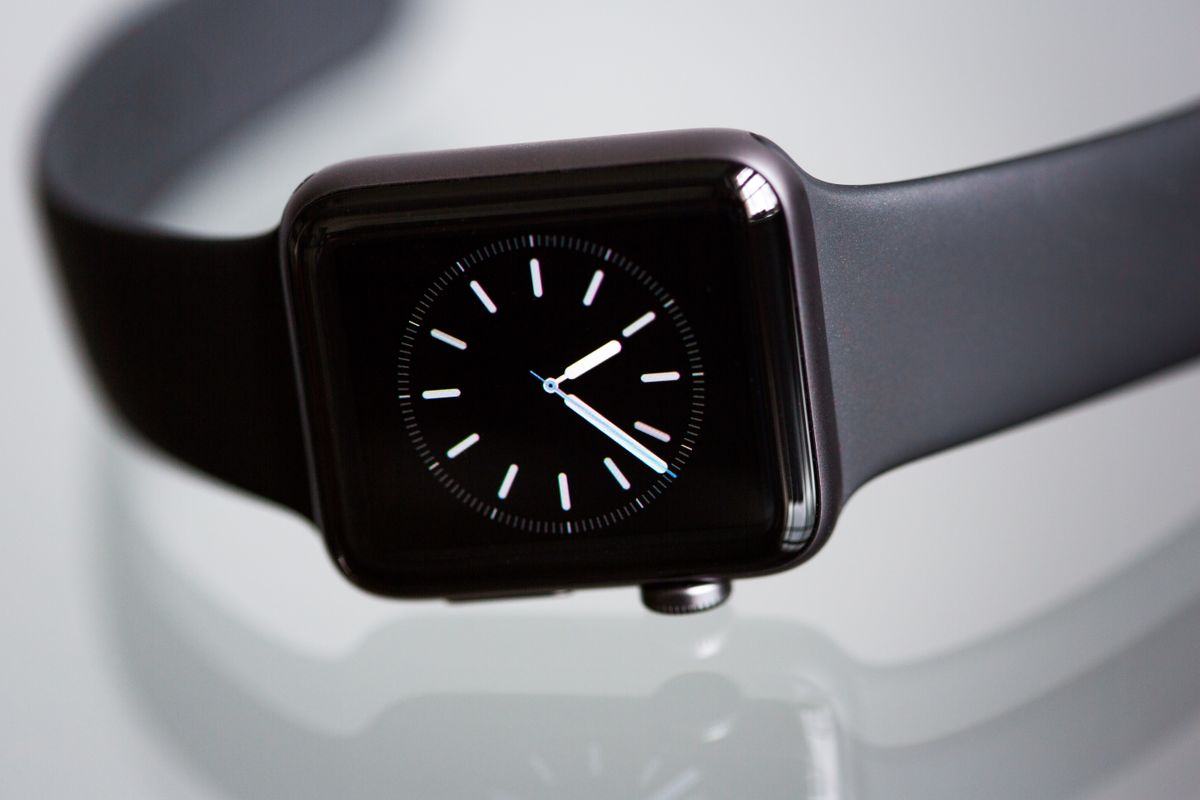
Fitness trackers have evolved from simple step counters into comprehensive health monitoring platforms. Modern devices track heart rate variability, blood oxygen levels, sleep stages, stress, and even irregular heart rhythms. Our 60-day testing protocol involved wearing every device simultaneously to compare accuracy and reliability head-to-head.
1. Garmin Vivosmart 5 – Best Overall
The Vivosmart 5 strikes the perfect balance between health monitoring capability and wearability. The slim design doesn't scream "fitness tracker," the AMOLED display is crisp, and Garmin's Health Snapshot feature provides a 2-minute summary of your key health metrics. Up to 7 days of battery life is class-leading.
2. Fitbit Charge 6 – Best for Google Users
With built-in Google Maps, Google Wallet, and YouTube Music controls, the Charge 6 is the most useful Fitbit ever. Active Zone Minutes gamification motivates cardio workouts, and ECG app and skin temperature sensing add clinical-grade health monitoring.
3. Whoop 4.0 – Best for Serious Athletes
Whoop doesn't have a display, doesn't count steps, and doesn't show notifications. It does one thing extraordinarily well: tell you how recovered you are and whether today is a day to push hard or recover. The 5-day battery and 24/7 continuous monitoring provide insights no other tracker matches for training optimization.
4. Samsung Galaxy Fit3 – Best Android Option
The Galaxy Fit3 offers a large 1.6-inch AMOLED display in an ultra-slim 0.7cm body. Samsung Health integration is deep, and the 13-day battery life is exceptional for the display size.
5. Amazon Halo Rise – Best for Sleep
The Halo Rise is a contactless sleep tracker — no band required. It sits on your nightstand and uses radar technology to track sleep stages, breathing, and movement without touching your body, making it ideal for those who find wrist trackers uncomfortable during sleep.
6–10: More Great Trackers
The Oura Ring Gen 3 (best ring form factor), Polar Unite (best for heart rate accuracy), Xiaomi Mi Band 8 (best budget pick), Apple Watch SE (best for iPhone users on a budget), and Withings ScanWatch 2 (best for medical monitoring) round out our recommendations.
Fitness Tracker Buying Guide
Battery Life: Smartwatches last 1–2 days; dedicated trackers offer 5–14 days. Consider how often you want to charge.
GPS: Built-in GPS is important for accurate outdoor run/bike tracking without carrying your phone.
Health Features: ECG and blood oxygen are now common. Look for FDA clearance on medical-grade claims.